Signs of a Clogged Main Sewer Line
Signs of a Clogged Main Sewer Line You Shouldn’t Ignore
Here is the truth about sewer lines. Nobody thinks about them. Not once. You flush, you drain, you move on with your day. That is how it should be.
But when the main line starts failing you will know. Trust me on that.
The smell alone is enough. Or the water backing up where it absolutely should not be. Or three drains slowing down on the same morning and you have no idea why.
The signs are there. They show up before the big failure does. Most people just do not know what to look for.
First Understand How the Main Line Works
Every single drain in your house connects to one pipe. Kitchen. Bathroom. Toilet. Shower. Laundry. All of it goes into the same main sewer line running underground below your property.
That pipe carries everything out. To the city sewer or your septic system depending on where you live.
When it is clear, life is normal. Nobody thinks about it. When it starts blocking up every drain in the house gets affected. Not just one. All of them.
That is the key thing to understand. One slow drain is probably just that drain. Multiple drains acting strange at the same time that is the main line talking.
The Signs. Here Is What to Watch For.
The bathroom sink drains slowly. The kitchen sink is doing the same. Bathtub taking forever. All happening around the same time.
That pattern is one of the first real signs of clogged main sewer line problems showing up. The issue is not at any one fixture. It is below all of them in the shared pipe they all connect to.
Clearing one drain will not help. The problem is further down.
That Gurgling Sound
Flush the toilet. Hear a gurgling noise from the shower drain across the bathroom. Or run the sink and watch the toilet start bubbling for no reason.
That is air. Moving the wrong direction. Back up through the system instead of out.
It is one of the earliest signs of main sewer line clog situations and it almost always shows up before any visible backup does. A lot of people hear it and ignore it. That is usually a mistake.
Water Coming Up Where It Should Not
This one stops people cold. Run the washing machine water backs up into the bathtub. Flush the toilet the shower drain gurgles and starts filling. Use the kitchen sink if something happens in the bathroom.
Water is looking for the lowest exit it can find because the main line is blocked and has nowhere to go.
This is a clear sign your sewer waste water line is clogged and it is past the early warning stage. Stop using water in the house immediately. Do not run anything that drains. Call someone.
The Smell
A properly working sewer system keeps everything smell included underground and outside. That is how it is supposed to work.
When sewage smell starts coming up through drains inside the house something has gone wrong with the flow. Gas is traveling backward. Back up through the pipes and into the living space.
One of the most obvious signs of clogged sewer line. And one people sometimes try to mask with candles or air freshener instead of fixing. Do not do that.
Something Weird Going On in the Yard
This one gets missed a lot because people are not looking for it outside.
Walk across your yard. Notice a strip of grass that looks greener than the rest. Or feels soft and spongy underfoot. Maybe even a little wet and it has not rained in days.
That strip is sitting directly above the sewer line. A blocked or cracked pipe is leaking wastewater into the soil. The grass feeds on it and grows faster. The ground gets soft from the moisture.
Classic signs main sewer line clogged situation happening underground while everything inside looks normal.
The Drain That Keeps Coming Back
Clear a drain. Works for four days. Blocks again. Clear it. Blocks again two weeks later.
That cycle means the clog is not where you are clearing. The real blockage is further down the main line. Fixing the fixture over and over just delays the inevitable.
Toilet Flushing Slow
Not backed up. Not overflowing. Just slow. Less force than it used to have. Water swirling down without any urgency.
Easy to brush off because the toilet still works. But slow flushing is one of the quieter signs of clogged main sewer line problems building up below. The main line is getting restricted and it is only going to get more restricted.
What Actually Causes This
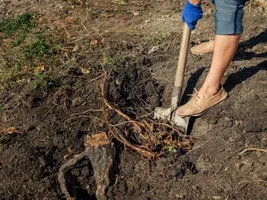
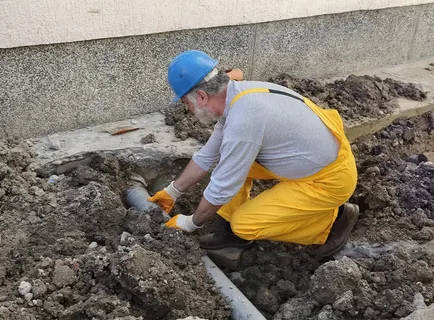
Tree roots. This is the big one. Roots go where moisture is. A sewer line always has moisture. One small crack or joint gap and a root gets in. Then it keeps growing. Slowly. For months or years. Until one day the pipe is blocked solid.
Grease. Cooking grease gets poured down the drain hot and liquid. It does not stay that way. It cools, hardens, and sticks to the inside of the pipe. Builds up over time. Narrows the opening. Eventually causes a backup.
Things that should not get flushed. Wipes even the ones that say flushable on the package do not break down. Paper towels do not break down. Cotton pads, hygiene products none of it. It all collects inside the pipe until there is a problem.
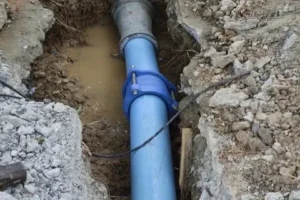
Old pipe material. Clay pipes, cast iron, Orangeburg they all have a lifespan. When that lifespan runs out cracks form. Joints fail. Sections collapse inward. Debris catches on the damage and blockages build up fast.
Wrong installation from the start. A pipe set at the wrong slope never drains the way it should. Water sits in low spots. Debris collects. Blockages form faster and more often than they ever should in a properly installed line.
How to Actually Tell If It Is the Main Line
Simple test. Run a sink for about thirty seconds. Then check a toilet somewhere else in the house. Does it gurgle? Does the water level in the bowl rise slightly?
If yes the main line is involved. A single fixture clog stays isolated. A main line clog connects everything together and affects multiple fixtures at once.
Signs of clogged main sewer line problems show up in combinations. Slow drains plus gurgling plus smell plus wet yard that is not a coincidence. That is the main line.
What To Do
First stop running water. Seriously. Every gallon going into a blocked main line makes the backup situation worse. Washing machine off. Dishwasher off. Showers on hold. Until someone looks at it.
Do not use chemical drain cleaners. They are built for small clogs near the surface. A main line blockage is not that. Pouring chemicals into a fully blocked system does nothing except add chemicals to the water already sitting in the pipes.
Call a plumber who actually does sewer work. Not every plumber handles main line jobs. Find one who does camera inspections. That camera goes through the line and shows exactly where the blockage is and what caused it. Without that step nobody is fixing the actual problem.
Act fast. A partial blockage becomes a full backup quickly. Sewage backing up into a home causes real damage. Floors. Walls. Belongings. The longer it sits the worse and more expensive the whole situation becomes.
What Happens When the Plumber Shows Up
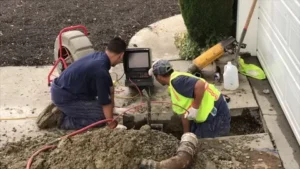
Camera goes in first. Through the clean out access point and down the line. Shows the blockage location. Shows what caused it. Root intrusion looks different from grease buildup looks different from a collapsed section. The camera tells the story.
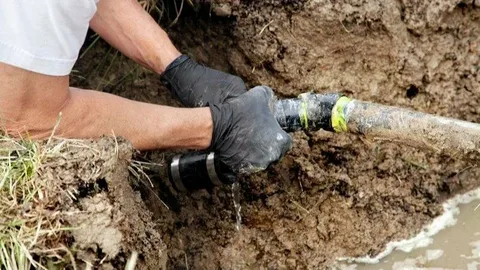
Then the line gets cleared. Hydro jetting high pressure water blasts through grease and root buildup. A mechanical auger handles solid obstructions. What gets used depends on what the camera found.
After clearing camera goes back through. Confirms the line is open. Not just moving water. Actually clear and confirmed on video.
Conclusion
Sewer lines do not fix themselves. A small issue left alone becomes a big one. Always.
The signs of clogged main sewer line show up early if you know what to look for. Slow drains across multiple fixtures. Gurgling sounds. Sewage smell. Soggy yard. Water backing up in the wrong places. Any of these act on it.
Catch it early and it is a manageable fix. Leave it and it turns into something nobody wants to deal with.
The moment something feels off with your drains get it looked at. That feeling is usually right.