Water Heater Thermostat Replacement
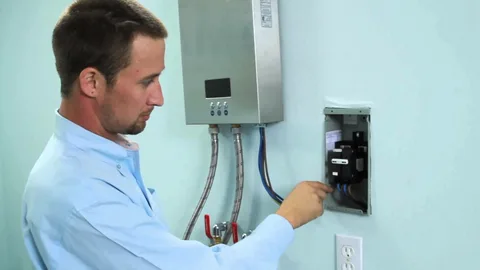
Water Heater Thermostat Replacement: DIY Fix & Professional Tips
Water heater thermostat replacement is important when your system stops giving consistent hot water or starts overheating. A faulty thermostat can increase energy bills and reduce performance. In this guide, you will learn the signs, repair steps, and cost of water heater thermostat replacement in a simple and easy way.
What is a Water Heater Thermostat & How It Works
The Job of a Thermostat
Think of the thermostat as the brain of your water heater. It keeps an eye on the water temperature and decides when the heating element needs to kick in. Pull it out of the equation and you have got a heater with zero temperature control.
Tank water heaters generally run two thermostats. One near the top handles the upper element. One near the bottom handles the lower. Both working together is what gives you steady hot water throughout the day.
Where It Sits in the System
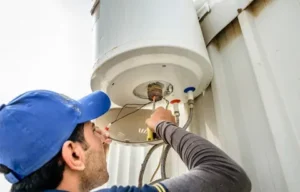
The thermostat lives behind the access panel on the side of your tank. It presses right up against the metal so it can feel the water temperature through the wall. Water gets too cold and it wakes the element up. Water reaches the target and it tells the element to rest.
What Temperature Should It Be Set To
120 degrees Fahrenheit is where most manufacturers land the factory setting. It is hot enough for showers and dishes without being a burn hazard. Some people nudge it higher but anything past 130 starts putting unnecessary stress on the parts.
Signs You Need Water Heater Thermostat Replacement
Water Stays Cold or Barely Warm
Getting cold water fast or never getting truly hot water is the most common complaint people have before finding out the thermostat is the issue. When it gets stuck in the off position, the heating element never gets the go-ahead to do its job.
Water Comes Out Too Hot
Some thermostats fail in the opposite direction they get stuck on. The element keeps running and the water gets dangerously hot. If your pressure relief valve keeps popping or the water at the tap is scalding, this is likely what is happening.
Hot Showers Got Much Shorter
You used to have plenty of hot water. Now it runs out halfway through a shower. Nine times out of ten the lower thermostat has gone bad. Replacing a thermostat on a water heater gets you back to a full tank of hot water.
Heater Switching On and Off Constantly
A thermostat struggling to hold a temperature reading will keep cycling the element on and off. Your unit works harder than it needs to and your energy bill reflects it.
Bill Jumped and Nothing Else Changed
Same household, same habits but the electricity bill went up. A faulty thermostat running the element longer than needed is a very common cause of that.
Common Causes of Water Heater Thermostat Failure
It Wore Out Over Time
Nothing lasts forever. A thermostat switching on and off every single day for years eventually loses its ability to read temperature accurately. Plain old wear is the reason behind most water heater thermostat replacement jobs.
Hard Water Left Sediment Behind
Minerals from hard water collect at the bottom of the tank over time. That layer insulates the water from the element and throws off how the thermostat reads the heat. Flushing the tank once a year is the best way to slow this down.
Power Surge Damaged It
A sudden voltage spike can kill a thermostat instantly. If your heater started acting up right after a storm or an outage, a fried thermostat is a strong possibility.
Wiring Connection Failed
Loose terminal screws, corroded contacts, cracked wire insulation any of these cut off the clean signal the thermostat needs to function. The unit acts up and the thermostat takes the blame when the real problem is a bad connection.
It Was Put In Wrong From Day One
The thermostat must sit completely flat against the tank wall. Even a tiny gap gives you an inaccurate temperature reading. A poorly installed thermostat causes ongoing problems until someone fixes the contact issue.
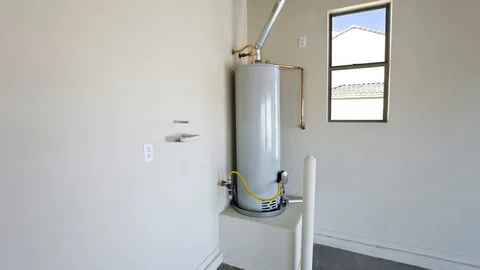
How to Replace a Water Heater Thermostat (Step-by-Step Guide)
Tools You Will Need
- Flathead screwdriver
- Philips screwdriver
- Non-contact voltage tester
- New thermostat that matches your unit model
Step 1 — Kill the Power First
Go to your breaker panel and flip off the circuit for the water heater. Then hold your voltage tester near the wiring to confirm nothing is live before your hands go anywhere near it.
Step 2 — Get the Access Panel Off
Unscrew the panel on the side of the tank. You will find insulation packed behind it, carefully pull that back to uncover the thermostat.
Step 3 — Snap a Photo of the Wiring
Do this before you loosen a single screw. A clear photo of the wiring setup saves a lot of frustration when it is time to connect the new part.
Step 4 — Pull the Old Thermostat Out
Back out the terminal screws and free the wires. Unclip the thermostat body from its bracket and pull it away from the tank wall.
Step 5 — Put the New One In
Pressing the replacement thermostat firmly against the tank wall solid contact is what makes it read the temperature correctly. Clip it in place and reconnect the wires exactly as they appear in your photo.
Step 6 — Set the Temperature
A flathead screwdriver on the adjustment dial gets you where you need to be. Start at 120 degrees Fahrenheit.
Step 7 — Reassemble and Test
Insulation back in, panel back on, breaker back on. Give the tank an hour to heat up and then test your hot water.
DIY vs Professional Water Heater Thermostat Replacement
When Homeowners Can Handle It
Water heater thermostat replacement on an electric unit is one of the more approachable water heater repairs. The part is easy to find, the steps make sense, and the job does not take long. If you are comfortable cutting power safely and reading a wiring photo, you can likely pull it off.
When You Really Need a Professional
Gas water heaters change the equation completely. How to replace gas water heater components, a water heater burner replacement, or replacing a thermocouple on a gas hot water heater all bring you into contact with gas lines and combustion parts. One wrong move creates a danger that is not worth the risk.
Beyond gas units, call a pro when:
- You cannot pin down which part is actually causing the problem
- There is visible burn damage or corrosion on the wiring
- A DIY repair would void your unit’s warranty
- Your local code requires a permit do you need a permit to replace a water heater is worth a quick check because requirements vary by location
Weighing the Cost Against the Risk
Parts alone cost less when you do it yourself. That part is true. But a wrong install or miswired connections can turn a simple job into a much bigger repair bill. On gas units especially, the cost of getting it wrong goes beyond money.
Cost of Water Heater Thermostat Replacement
What Drives the Number Up or Down
Electric thermostat parts are inexpensive and easy to source at any hardware store. Gas thermostat components cost more and are not always easy to find locally. Adding professional labor on top of parts is what makes a professional job cost more than doing it yourself.
Scheduling a regular appointment keeps costs manageable. Calling for same-day or emergency service pushes the price up, so booking ahead is worth it when the situation allows.
Other Repairs That Often Come With It
A thermostat that burned out may have taken the heating element along with it. Handling water heater heating element replacement during the same visit costs less in labor than scheduling two separate calls. While a technician is already there, getting them to look at replacing the pressure valve on the water heater is just practical.
How Long Does a Water Heater Thermostat Last
What a Realistic Lifespan Looks Like
A thermostat on a well-maintained unit generally holds up somewhere between 8 and 12 years. Homes with hard water tend to see parts wear out on the shorter end of that range. Frequent power fluctuations shorten lifespans too.
How Long the Job Actually Takes
How long does it take to replace a water heater thermostat? A technician who does this regularly wraps it up in under an hour. If you are tackling it yourself for the first time, set aside one to two hours for the work itself plus another hour for the tank to reheat before you can test it.
Fix the Part or Replace the Whole Unit
Swapping the thermostat makes financial sense when the tank is in decent shape and under 10 years old. A tank that has crossed the 12-year mark and keeps breaking down is a different story. At that point a new unit saves more money over time than another repair.
Keeping Parts Fresh
How often to replace water heater components depends heavily on water quality and usage load. Hard water homes deal with faster wear. A yearly service visit is the best way to catch parts that are on their way out before they fail completely.
Tips to Prevent Future Thermostat Issues
Flush the Tank Once a Year
Sediment is behind a large share of premature thermostat failures. An annual flush clears out the mineral deposits that settle at the bottom and takes pressure off both the thermostat and the element. Half an hour of work once a year adds years to your unit.
Keep the Temperature Reasonable
Running the thermostat above 130 degrees puts it under daily stress it does not need. Staying at 120 keeps the wear manageable and makes the tap water safer at the same time.
Stay on Top of the Anode Rod
The anode rod protects the tank lining from corrosion. Once it wears out, rust builds up faster inside the tank and that affects the thermostat too. Pull it and inspect it every two to three years. Replace it before it is completely gone.
Act When You See the Early Signs
Small temperature swings, a slightly higher bill, a heater that cycles more often than it used to are early warnings. Catching a thermostat that is starting to fail means a simple swap. Ignoring it means a full water heater thermostat replacement plus whatever damage built up in the meantime.
Schedule a Yearly Checkup
One service visit a year keeps things in order. A technician goes through the thermostat, flags anything related to replacing the water heater element if it comes up, and checks the replacing pressure valve on the water heater while they are already on site.
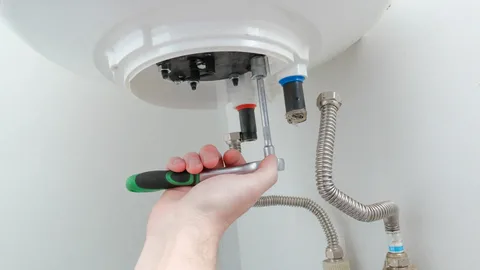
When to Call a Water Heater Repair Service
The Problem Came Back After You Fixed It
You already did a water heater thermostat replacement and the same symptoms showed up again weeks later. Something else is driving the failure. A proper diagnostic visit finds what is actually going on.
Your Unit Runs on Gas
Replacing a thermocouple on a gas hot water heater, dealing with a water heater burner replacement, or sorting out how to replace gas water heater parts all involve working near gas. That is not a place to learn through trial and error. A professional who does this work every day handles it safely.
The Heating Element Went Too
A bad thermostat sometimes burns out the heating element in the process. Replacing the water heater element at the same time as the thermostat is a common two-for-one job. One visit covers both, and everything gets tested before the technician leaves.
It Might Actually Be the Dip Tube
Not every cold water complaint comes from the thermostat. A cracked dip tube sends cold incoming water straight into the hot water supply and creates the exact same symptoms. Water heater dip tube replacement is a completely different repair. A technician checks both possibilities before touching anything.
The Tank Has Had Enough
When to replace a water heater comes down to age and repair history. A tank past 12 years that keeps needing work is not a good investment anymore. The money spent on repeated repairs adds up fast. A new unit costs less to own over the long run.
Final Thoughts
Water heater thermostat replacement is a simple fix that can restore hot water and improve efficiency. Ignoring early signs can lead to bigger and more expensive problems.
If you notice issues, take action early to keep your system running smoothly and avoid costly repairs.